
Last updated:
Best Dive Sites in Turks and Caicos Islands Islands
Turks and Caicos Islands Islands offer world-class scuba diving experiences. The islands sit in the Lucayan Archipelago and attract divers from across the globe. You will find pristine dive sites throughout the Caribbean waters near Turks and Caicos Islands beaches.
Grace Bay Beach provides access to excellent shallow dive sites. The sandy bottom and coral formations create ideal conditions for all levels. You can reach depths of 40 to 60 feet easily. Schools of tropical fish patrol these waters daily.
Smith's Reef stands as one of the most popular dive destinations. Located near Providenciales, this site features a dramatic wall formation. You descend through a coral corridor to reach depths of 70 feet. The reef teems with groupers, snappers, and large schools of jacks.
Conch Bar Caves on Middle Caicos deliver unique diving opportunities. These underwater cave systems create mysterious passages and chambers. Natural light filters through openings in the limestone formations. Experienced divers explore stalactites and stalagmites beneath the surface.
The Wall at Grand Turk features dramatic drop-offs and abundant marine life. You stand in shallow water on a sandy shelf. Within moments, the seafloor vanishes into the deep blue ocean. Spotted eagle rays, sea turtles, and reef sharks patrol these waters regularly.
Additional Notable Sites
Thursday Fish Fry offers vibrant reef diving near Grand Turk. This site showcases dense coral formations and colorful parrotfish. You encounter friendly Nassau groupers accustomed to divers. The shallow depths make it suitable for intermediate divers.
Gibbs Cay near Grand Turk provides encounters with stingrays. You can interact with wild stingrays in their natural habitat. These gentle creatures approach divers without fear or aggression. The experience combines education with unforgettable memories.
PRO TIP: Book dive excursions early in the morning. Water conditions are calmest, and visibility reaches its peak before afternoon winds arrive.
Scuba Diving for Beginners in Turks and Caicos Islands Islands

Beginners find ideal learning conditions throughout Turks and Caicos Islands Islands. Calm waters, gentle currents, and abundant marine life create perfect teaching environments. You will build confidence quickly in these protected areas.
Turks and Caicos Islands beaches near Providenciales offer the best beginner sites. Grace Bay Beach features shallow entry points with gradual depth increases. You can start in water just six feet deep. The sandy bottom provides excellent visibility.
Most dive operators require certification before full dives. However, you can complete your certification course during your trip. Open Water certification takes three to four days total. You earn a internationally recognized credential you use worldwide.
Beginner-Friendly Locations
Coral Garden near Providenciales works perfectly for new divers. This site has minimal current and abundant shallow coral. You stay between 20 and 35 feet deep comfortably. Colorful reef fish provide constant entertainment and photo opportunities.
Smith's Reef's shallow section accommodates beginners with experienced instructors. You explore the upper portion of the reef system first. This approach builds skills before tackling deeper sections. The coral formations remain spectacular even in shallow water.
House Reef diving available at many resorts provides excellent practice. You start right from the beach near your accommodation. Instructors remain within arm's reach throughout the dive. This relaxed environment reduces anxiety significantly.
What To Expect During Your First Dive
Your first dive lasts approximately 30 to 40 minutes underwater. You descend slowly while equalizing pressure in your ears. Your guide demonstrates proper breathing and basic safety signals. Once comfortable, you explore the reef environment at a leisurely pace.
You will feel weightless and floating. Your breathing sounds loud in your ears through the regulator. Fish may approach you out of curiosity. Many beginners report feeling calm and peaceful rather than nervous.
Your guide handles navigation and manages your safety completely. You simply follow behind and observe the underwater world. No previous swimming experience is necessary. Most people who try diving become addicted immediately.
Snorkeling in Turks and Caicos Islands Islands
Snorkeling offers spectacular marine viewing without certification requirements. You stay at the surface while observing reef systems below. Turks and Caicos Islands Islands provide some of the Caribbean's finest snorkeling destinations.
Grace Bay Beach delivers outstanding snorkeling directly from the shoreline. You can wade in 10 feet of water and see vibrant coral formations. The shallow reef extends nearly 100 yards from the beach. Fish populations remain incredibly dense in this protected area.
Smith's Reef accommodates snorkelers with experienced boat captains. You board a small vessel and travel 15 minutes from shore. The reef sits in water just 25 to 40 feet deep for snorkelers. The coral formations visible from above astound most visitors.
You need minimal equipment to snorkel effectively. A mask, snorkel, and fins allow you to explore underwater worlds. Most resorts provide snorkel gear free of charge. You can rent quality equipment from dive shops inexpensively.
Snorkeling Tips for Success
Apply sunscreen 15 minutes before entering the water. Reef-safe sunscreen prevents damage to delicate coral organisms. Wear a rash guard or wetsuit for sun protection. You will spend hours in direct tropical sunlight.
Enter the water slowly and adjust to the temperature. Turks and Caicos Islands waters remain warm year-round. Even January temperatures exceed 75 degrees Fahrenheit consistently. You will feel comfortable with or without a wetsuit.
Breathe slowly through your snorkel and remain calm. Never touch coral formations as they damage easily. Keep your hands to yourself and observe from distance. Respect marine life by maintaining appropriate viewing distance.
PRO TIP: Visit snorkel sites early in the morning before boat traffic increases. You will encounter calmer water and see marine life more actively feeding.
Dive Schools and Operators
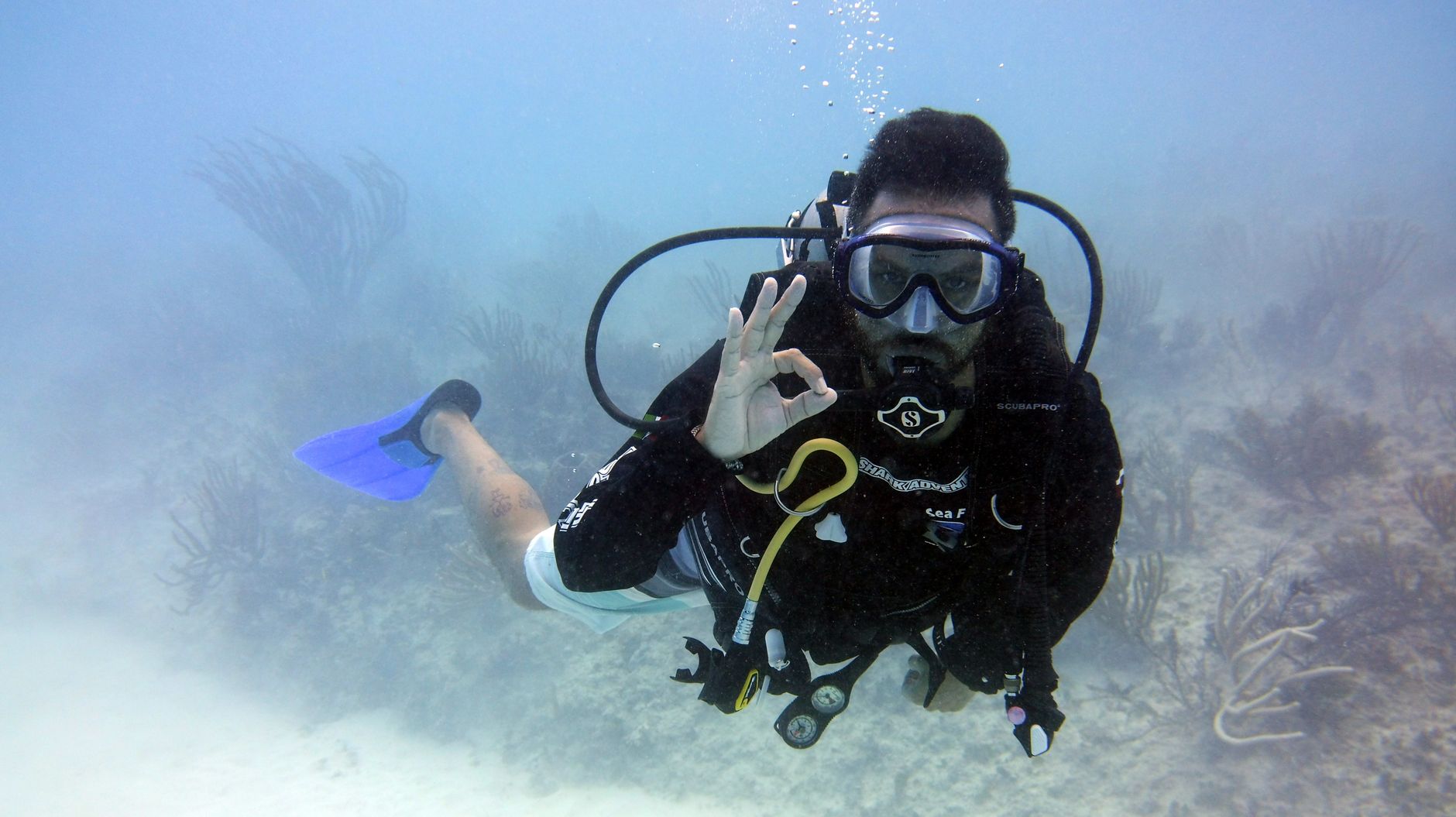
Turks and Caicos Islands Islands host several professional dive operations. These companies employ experienced instructors and maintain modern equipment. You can trust established dive shops with your safety and experience.
Providenciales concentrates the most dive operators and schools. These facilities serve the largest visitor population on the islands. You find multiple daily dive departures from Grace Bay Beach area. Competitive pricing keeps costs reasonable despite premium location.
Most dive shops offer the following services:
- Open Water certification courses
- Advanced diving certifications
- Guided daily dives for certified divers
- Introductory dives for non-certified visitors
- Equipment rental and sales
- Snorkel tours and lessons
- Night diving experiences
- Photography and videography services
Choosing Your Dive Operator
Verify that operators hold valid professional certifications. Look for PADI, SSI, or NAUI affiliation indicators. These organizations maintain strict safety and training standards. Certified operators display credentials prominently in their facilities.
Read recent customer reviews on multiple platforms. Check Google, TripAdvisor, and diving-specific websites. Look for mentions of safety practices and instructor quality. Avoid operators with consistent safety complaints.
Ask about instructor-to-student ratios before booking. Professional operations maintain ratios of 1 instructor per 4 divers maximum. Smaller groups receive more personalized attention and better instruction. This directly impacts your learning and safety.
Confirm that all equipment receives regular maintenance. Quality operations service tanks monthly and inspect gear frequently. You deserve well-maintained equipment that functions reliably. Neglected gear creates dangerous situations underwater.
Check if your dive operation includes refresher dives. Many facilities offer free refresher sessions before deep dives. This helps divers rebuild confidence if they haven't dived recently. Responsible operators prioritize safety over immediate profit.
What You Will See Underwater
Turks and Caicos Islands Islands underwater environments showcase incredible biodiversity. You will encounter species found nowhere else on Earth. The warm Caribbean waters support thriving ecosystems year-round.
Fish Species
Groupers patrol the reefs and seem fearless around divers. Nassau groupers grow to impressive sizes exceeding 50 pounds. They display intelligent behavior and often approach divers with curiosity. Queen angelfish display brilliant yellow and blue coloration.
Snappers school in massive formations throughout the reefs. Yellowtail snappers create moving clouds of yellow and silver. Cubera snappers grow large and patrol deeper reef sections. Schoolmaster snappers with distinctive stripes frequent shallow areas.
Parrotfish create the sandy beaches through their feeding activity. These colorful fish crunch coral constantly throughout the day. Their droppings become beach sand over decades and centuries. You hear their distinctive crunching sounds while diving.
Rays and Sharks inhabit deeper sections and the walls. Spotted eagle rays glide gracefully through the water column. Southern stingrays hide in sandy areas near the bottom. Reef sharks including blacktips and whitetips patrol hunting grounds. They avoid divers and pose no threat whatsoever.
Sea Turtles and Large Marine Life
Green sea turtles and loggerhead turtles forage in shallow areas. These ancient creatures seem unbothered by respectful divers nearby. Observing them in their natural habitat creates lifetime memories. Photograph or simply admire these remarkable animals.
Spotted eagle rays appear regularly on deeper dives. These graceful creatures seem to dance through the water. They sometimes investigate divers with apparent curiosity. Watching them move is like observing underwater poetry.
Corals and Invertebrates
Stony corals build the reef structure you explore. Brain corals grow massive and live hundreds of years. Elkhorn coral forms dense gardens in shallow water. Pillar corals rise like columns from the seafloor.
Soft corals sway with the currents creating living landscapes. Sea fans filter food from the passing water. Sea plumes extend delicate branches seeking nutrition. Gorgonians create colorful gardens throughout the reef.
Invertebrates display fascinating colors and behaviors. Spotted eagle rays visit specific cleaning stations regularly. Octopi hide in crevices and change colors instantly. Sea urchins cluster on rocky areas and provide habitat for fish.
PRO TIP: Bring an underwater camera or hire a photography service. Professional underwater photographers capture moments you cannot with regular cameras.
Best Time To Dive in Turks and Caicos Islands Islands

Turks and Caicos Islands Islands offer year-round diving opportunities. However, specific seasons provide superior conditions for various reasons.
Peak Diving Season
December through April represents the best diving months overall. Weather remains stable with minimal rain and calm seas. Water temperatures hover around 75 to 78 degrees Fahrenheit. Visibility reaches 100 feet regularly during these months. Trade winds blow consistently from the northeast keeping water calm.
This period coincides with peak tourist season and higher prices. Dive shops fill quickly with large groups and crowds. Book accommodations and dives months in advance for best availability. You will find yourself competing for space at popular sites.
Shoulder Seasons
May and November offer excellent diving with fewer crowds. Water temperatures begin warming in May and remain pleasant. Visibility stays excellent in both months. You encounter smaller groups and shorter wait times for boats.
May temperatures begin climbing toward summer heat. November marks the tail end of hurricane season officially. Most dangerous weather typically passes before late November arrives. Prices drop significantly during shoulder seasons creating budget opportunities.
Hurricane and Summer Considerations
June through October brings warmer water and increased rainfall. Water temperatures exceed 80 degrees Fahrenheit consistently. Humidity increases dramatically during these months. Hurricane season officially runs June through November.
Diving continues through summer despite weather concerns. Most hurricanes pass well north of Turks and Caicos Islands location. When storms approach, dive operations close preemptively for safety. Operators monitor weather constantly and make conservative decisions.
Summer offers exceptional budget pricing and minimal crowds. Experienced divers comfortable with variable conditions find value here. You may encounter occasional rough seas interrupting dive schedules. Many divers prefer accepting weather risk for significantly lower costs.
Frequently Asked Questions
Do I Need Diving Certification To Scuba Dive in Turks and Caicos Islands Islands?
Yes, most dive operators require valid scuba certification from recognized agencies. However, you can obtain certification during your trip. Open Water certification courses take three to four days. Alternatively, beginners can try introductory dives with instructors present. These shallow dives do not require prior certification. Snorkeling requires no certification whatsoever and provides excellent marine viewing.
What Is the Best Time To Visit for Scuba Diving?
December through May offers the most reliable diving conditions. Water temperatures range from 75 to 78 degrees Fahrenheit. Visibility typically exceeds 100 feet. Calm seas and light winds characterize this season. Expect higher prices and larger crowds during peak months. May and November provide excellent diving with smaller groups. Summer months offer budget pricing despite increased weather variability.
How Much Does Scuba Diving Cost in Turks and Caicos Islands Islands?
Daily diving experiences vary by operator and location. Costs depend on number of dives, boat size, and location. Snorkeling tours generally cost less than scuba operations. Budget accommodations often partner with dive operators for package deals. Ask about discounts for multi-day diving packages when booking. Certification courses cost more than recreational dives but provide valuable credentials.
Are the Sharks and Rays Dangerous While Diving?
No, sharks and rays in Turks and Caicos Islands avoid divers completely. These animals have no interest in attacking humans. They recognize divers as large unfamiliar creatures best avoided. Hundreds of thousands of dives occur annually without incident. Treat these animals respectfully and observe from distance. Your safety risk while diving remains exceptionally low statistically.
What Should I Bring for Scuba Diving and Snorkeling?
Pack reef-safe sunscreen with high SPF protection. Bring a rash guard or wetsuit for sun and coral protection. Include underwater camera if you want to capture moments. Dive shops provide most equipment but you can bring personal gear. Pack motion sickness medication if prone to seasickness. Bring cash or credit card for tips and rental payments. Consider bringing your own mask if you have prescription lenses or specific fit preferences.