
Last updated:
Shopping in Grace Bay, Turks and Caicos Islands offers visitors unique island experiences and authentic local goods. The Turks and Caicos Islands Islands sit in the Lucayan Archipelago as a British overseas territory. Over 46,000 people call these islands home and speak English. The warm Caribbean climate and vibrant culture attract travelers year-round. Grace Bay remains the most famous beach destination in the islands. However, shopping extends far beyond the beach into charming markets and local shops. Visitors find everything from fresh tropical fruits to handmade crafts throughout the islands. Whether you seek souvenirs or daily essentials, shopping in Grace Bay and nearby areas delivers authentic experiences.
Best Markets in Turks and Caicos Islands Islands
The Providenciales Market operates in downtown Providenciales and stands as the main marketplace for locals and visitors. Colorful vendor stalls overflow with fresh tropical fruits, vegetables, and seafood daily. You will find mangoes, papayas, conch, and local fish caught fresh that morning. The market buzzes with energy and authentic island culture. Shop early in the morning for the best selection and freshest items. Many vendors speak English and welcome questions about their products. The market atmosphere immerses you in real Caribbean life beyond the resort areas.
The Conch Bar Market on Middle Caicos offers a smaller, quieter shopping experience. Local fishermen sell fresh conch daily, a staple protein throughout the islands. The market reflects island traditions and slower pace of life. You can watch vendors prepare conch and learn preparation methods. The setting feels genuinely local and far from tourist crowds. Visiting requires a ferry ride from Providenciales, making it a special day trip adventure. Few international visitors make the journey, so expect authentic interactions with locals.
Turks and Caicos Islands Market (also called the Farmers Market) operates seasonally and features local farmers and producers. When operating, the market showcases island agriculture and specialty items. Hours vary by season and vendor availability. The market supports local agriculture and small businesses throughout the islands. Shopping here means your money goes directly to island families and communities.
PRO TIP: Visit markets early morning between 7 AM and 9 AM for the freshest selection and best vendor interactions. Markets often close by early afternoon as locals complete their shopping for the day.
Local Food Markets in Turks and Caicos Islands Islands

Fresh seafood markets define food shopping in Turks and Caicos Islands. Conch, grouper, snapper, and lobster arrive daily from local fishermen. The seafood tastes incomparably fresh compared to frozen imports. You can purchase whole fish or pre-cleaned portions for your vacation rental kitchen. Many vendors offer preparation advice and cooking suggestions for visitors. The cost depends on daily catch and market demand, but prices remain reasonable compared to island restaurants. Evening markets sometimes operate when fishermen return from the water with their daily catch.
Fruit and vegetable markets burst with tropical produce year-round. Local farmers grow mangoes, papayas, plantains, okra, and sweet potatoes. You will also find imported vegetables and fruits at these markets. Tropical fruits cost much less at markets than at resort shops. Sampling fresh tropical fruit represents a must-do experience. Ask vendors for recommendations on ripeness and preparation methods. Many fruits can be stored in your hotel room for snacks throughout your stay. The colorful displays and fresh smells create memorable shopping experiences.
Specialty markets sell prepared foods and packaged island products. Conch salad vendors often set up stalls with fresh, prepared meals ready to eat. Johnny cakes, cassava bread, and other traditional foods appear at local markets. These prepared foods offer quick, affordable meals and authentic tastes. Many markets operate near beaches, making convenient stops during your day. Buying directly from vendors means experiencing real island food culture beyond restaurants.
Craft and Souvenir Shopping
Artisan shops throughout Grace Bay and Providenciales sell locally made crafts. Handmade jewelry featuring shells, coral, and island materials captures Caribbean style perfectly. Wooden carvings and sculptures showcase local artistic talent. Each piece tells a story of island culture and creativity. Supporting local artisans means helping island communities thrive economically. Many craftspeople work from home studios and welcome visitors by appointment. You can meet makers and learn their creative processes directly. This personal connection makes souvenirs far more meaningful than mass-produced items.
Straw and woven goods represent traditional island crafts still produced today. Woven baskets, hats, and mats use natural materials and traditional techniques. These functional crafts serve practical purposes and represent cultural heritage. Prices vary based on size and complexity of weaving. Supporting these traditional crafts helps preserve island heritage for future generations. Markets and craft shops stock these items alongside other souvenirs. Many weavers learned their skills from family members across generations.
Art galleries in Providenciales and Grace Bay feature local and regional artists. Paintings, sculptures, and mixed media works reflect Caribbean themes and island life. Gallery owners can share artist stories and creative inspirations. Purchasing art directly supports professional artists making careers in the islands. Galleries often offer shipping services for larger purchases. Art makes wonderful gifts for people back home and lasting reminders of your trip.
PRO TIP: Ask vendors if items were made locally before purchasing. Many shops stock imported goods alongside local crafts. Genuine local crafts typically cost more but provide authentic souvenirs and support island economies directly.
Where To Buy Local Products in Grace Bay, Turks and Caicos Islands

Grace Bay Road hosts numerous shops and small businesses selling island products. You will find convenience stores, specialty shops, and market stalls within walking distance. Most shops accept US dollars and credit cards. Walking along Grace Bay Road immerses you in the local shopping culture beyond resorts. Friendly shop owners often share recommendations and stories about island life. The walk itself offers beautiful views and opportunities to explore residential areas. Many businesses operate six days a week with Sunday hours varying or closed.
The Island Shop in Providenciales specializes in local products and authentic souvenirs. You will find locally made goods, crafts, and island specialty items. The shop supports local artisans and small producers throughout the islands. Staff members know the makers behind products and can share their stories. The shop atmosphere welcomes browsers and serious shoppers equally. Location makes it convenient for visitors staying in Providenciales or visiting Grace Bay.
Gourmet shops and specialty markets sell island spices, sauces, and food products. These items travel well and make excellent gifts for friends and family. Conch seasoning, hot sauces, and spice blends reflect island flavors. Packaged goods prove easier to carry than fresh produce or perishables. Many shops offer sampling opportunities before purchasing. These products allow you to share island flavors after returning home.
Shopping Hours and Tips
Most shops in Turks and Caicos Islands open between 8 AM and 9 AM on weekdays. Closing times typically fall between 5 PM and 6 PM, though some shops stay open later. Saturday hours vary from 8 AM to 1 PM or afternoon closings. Many businesses close Sundays or maintain limited Sunday hours. Markets open very early, around 7 AM, and close by early afternoon. Holiday schedules vary, so verify hours before traveling during holiday periods. Banking holidays occasionally affect shop hours throughout the year.
Cash carries advantages at markets, though most established shops accept credit cards. US dollars are the official currency, so no currency exchange is necessary. Bring small bills for market purchases and vendor transactions. Many market vendors prefer cash transactions. ATMs exist throughout Providenciales and Grace Bay areas. Tourist areas accept cards readily, but small shops and vendors may prefer cash. Traveling with mixed payment options ensures smooth transactions everywhere.
Haggling is not typical at established shops but may work at market stalls. Friendly negotiation for multiple items or bulk purchases sometimes yields discounts. Respect vendors and accept their final prices gracefully. Markets operate on relationship building, so polite interaction matters. Arriving early often provides better selection and vendor attention. Purchasing directly from vendors means better prices than middlemen shops.
Bring reusable shopping bags if you prefer avoiding plastic bags. Many shops now charge small fees for plastic bags. Comfortable walking shoes suit market exploration better than beach sandals. Sunscreen and hats protect you during outdoor shopping time. Visit during cooler morning hours to avoid midday heat while browsing. Pack water to stay hydrated during market shopping.
PRO TIP: Ask shop owners and vendors about local recommendations. Many shopkeepers know where to find specific items, best quality products, and hidden gems tourists miss. Building relationships with vendors often leads to better deals and insider knowledge.
What To Buy in Turks and Caicos Islands Islands
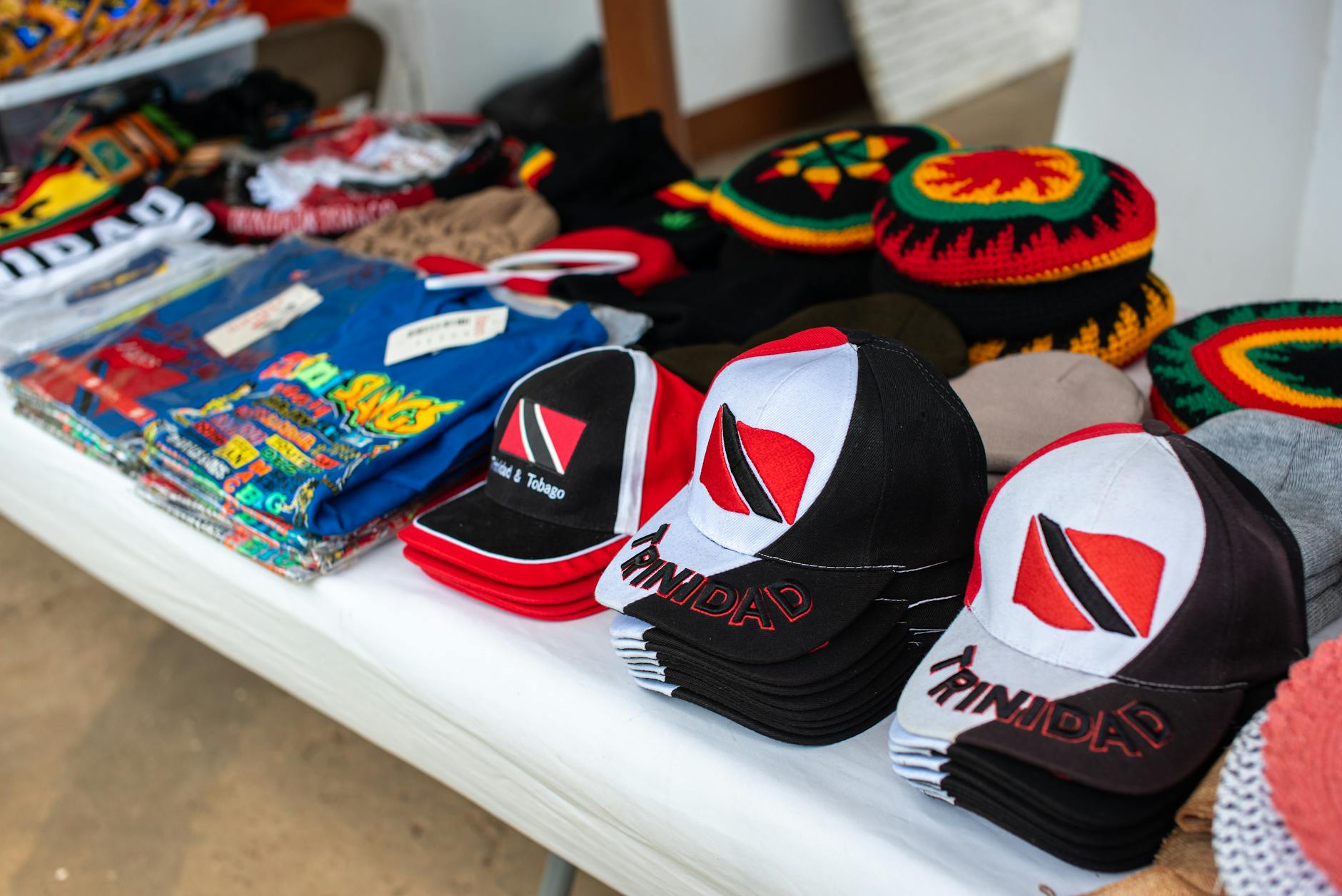
Conch products represent the ultimate Turks and Caicos Islands souvenir. Conch salad appears on restaurant menus and at market stalls. Conch shells make decorative souvenirs and practical home items. Conch pearl jewelry features rare gems from conch shells. Purchasing conch products supports the local fishing industry. Many vendors prepare conch fresh to order at markets. Fresh conch represents authentic island food you cannot easily find elsewhere. The conch taste is mild and slightly sweet, popular with most visitors.
Salt represents another quintessential island product with historical significance. The islands' name references the salt trade that built early economies. Sea salt harvested locally retains mineral content and pure flavor. Salt makes lightweight, affordable souvenirs easy to pack. Many shops sell specialty salt blends with local herbs and spices. Gift sets include multiple salt varieties for different cooking uses. Historical sites explain salt production traditions throughout the islands.
Tropical fruits and spices provide edible souvenirs for food lovers. Fresh mangoes, papayas, and guavas taste superior to imported versions. Spice blends capture island flavors in portable, giftable packages. Hot sauces and marinades add Caribbean taste to home cooking. These items travel well and serve practical purposes. Many visitors bring multiple spice packages home as gifts. Food souvenirs create lasting taste memories of your island experience.
Handmade jewelry featuring island materials reflects local artistry beautifully. Shell necklaces, coral earrings, and pearl pieces showcase natural Caribbean beauty. Locally made pieces cost more than imports but provide genuine craftsmanship. Supporting artisans ensures your money benefits island communities. Each piece carries stories of island life and artistic traditions. Jewelry serves as wearable art reminding you of island adventures daily.
Straw work and woven goods offer practical souvenirs with cultural significance. Woven baskets hold items at home while reminding you of island traditions. Straw hats provide sun protection and casual island style. Placemats and table runners add Caribbean flair to dining areas. These items support traditional crafts practiced for generations. Quality varies widely, so examine weaving closely before purchasing. Well made pieces last years and improve with use.
Artwork and local photography capture island beauty for your home. Local artists create paintings, drawings, and mixed media reflecting island life. Photography prints show beaches, wildlife, and cultural scenes authentically. Art galleries in Providenciales feature professional artists earning livelihoods through creativity. Purchasing art supports cultural expression and professional artists directly. Galleries often handle shipping for larger pieces. Art makes meaningful gifts for people appreciating Caribbean culture.
Frequently Asked Questions
What is the best time to shop at markets in Turks and Caicos Islands?
Early morning between 7 AM and 9 AM offers the best market shopping experience. Vendors display fresh items directly from farms and fishing boats. Selection remains full before popular items sell out. Crowds are minimal in early mornings, allowing relaxed browsing and vendor conversations. Afternoon shopping finds depleted inventory as locals complete their shopping. Markets sometimes close by early afternoon when vendors pack up. Planning your market visit for morning hours maximizes your experience and product selection significantly.
Can I bargain prices at Turks and Caicos Islands markets?
Friendly negotiation works at market stalls for bulk purchases or multiple items. Established shop prices are fixed and non-negotiable. Market vendors expect respectful interaction and may discount when purchasing several items. Arriving early allows better bargaining as vendors want to build daily sales. Rude or aggressive negotiation will backfire and damage relationships. Accepting final prices gracefully maintains the positive interactions that make shopping enjoyable. Building rapport with vendors often yields better prices than haggling strategies anyway.
Are there supermarkets in Grace Bay for grocery shopping?
Yes, several supermarkets operate in Providenciales and near Grace Bay areas. Supermarkets stock both imported and local products at higher prices than markets. Grace Bay and Providenciales have grocery stores serving tourists and residents. Convenience stores throughout tourist areas sell basic items but charge premium prices. Markets offer better prices and fresher local produce than supermarkets. Many vacation rentals have kitchens, making market shopping practical and economical. Supermarkets provide convenient options when market shopping feels overwhelming or time-limited.
What currency should I use for shopping in Turks and Caicos Islands?
US dollars are the official currency used everywhere throughout Turks and Caicos Islands. No currency exchange is necessary if you travel from the United States. Credit cards work at most established shops and restaurants. Markets and vendor stalls prefer cash payments for transactions. ATMs are available throughout Providenciales and tourist areas for cash withdrawals. Bringing a mix of cash and credit cards ensures flexibility. Small bills prove practical for market transactions with individual vendors and stall purchases.
Can I ship purchases back home from Turks and Caicos Islands?
Yes, shops and galleries offer shipping services for larger purchases like artwork. International shipping costs vary based on item weight and destination country. Most shops can arrange shipping through local postal services or courier companies. Fragile items require proper packaging to survive international transit safely. Asking about shipping before purchasing helps you decide on expensive items. Smaller souvenirs fit easily in luggage, avoiding shipping costs and delays. Many travelers find carrying items themselves simpler than arranging complicated international shipments.